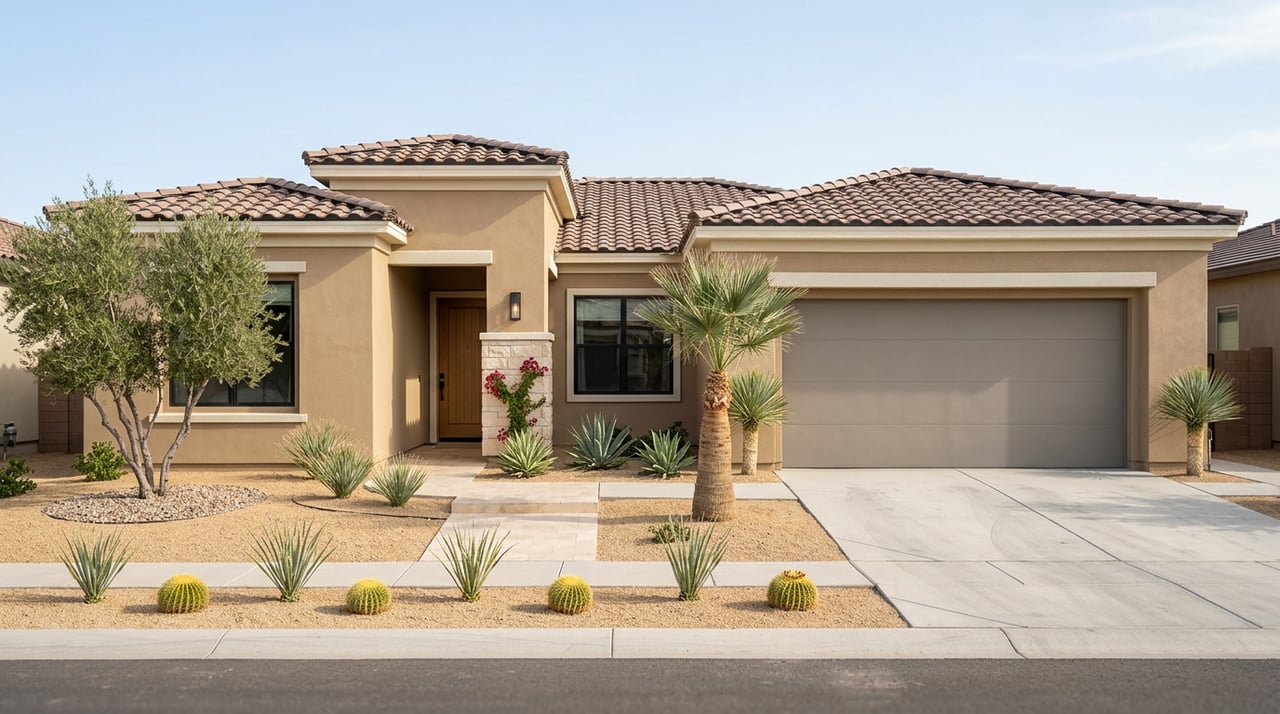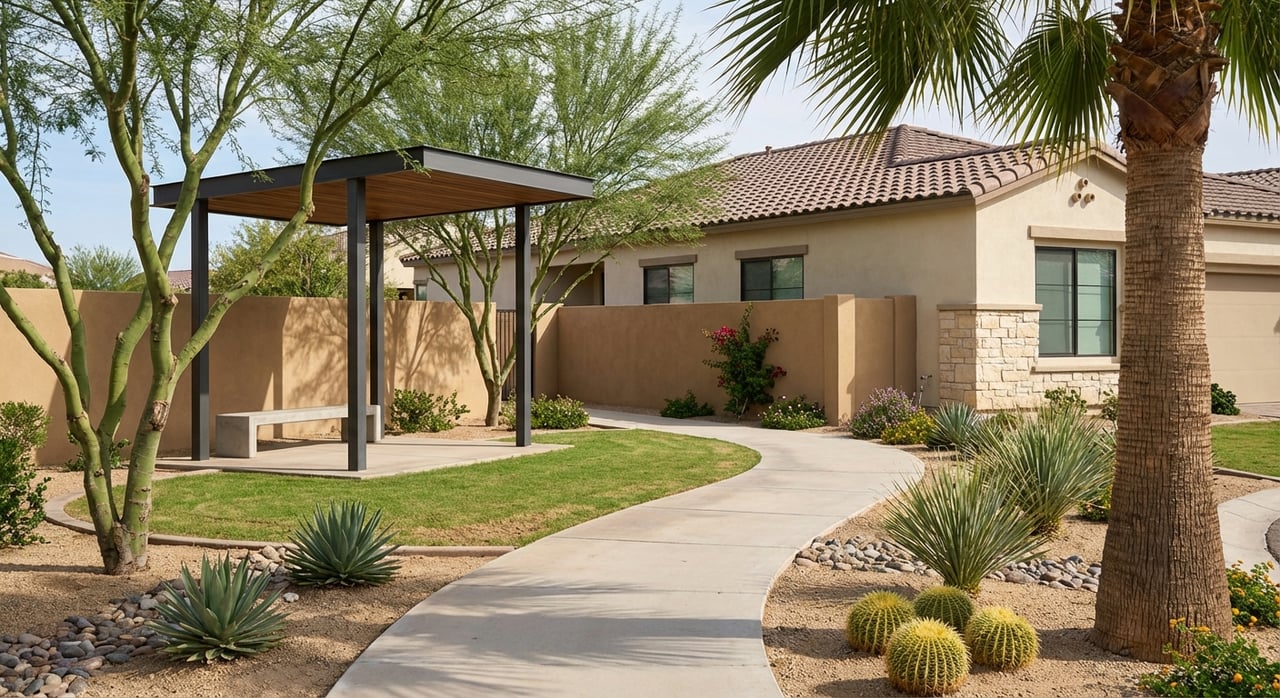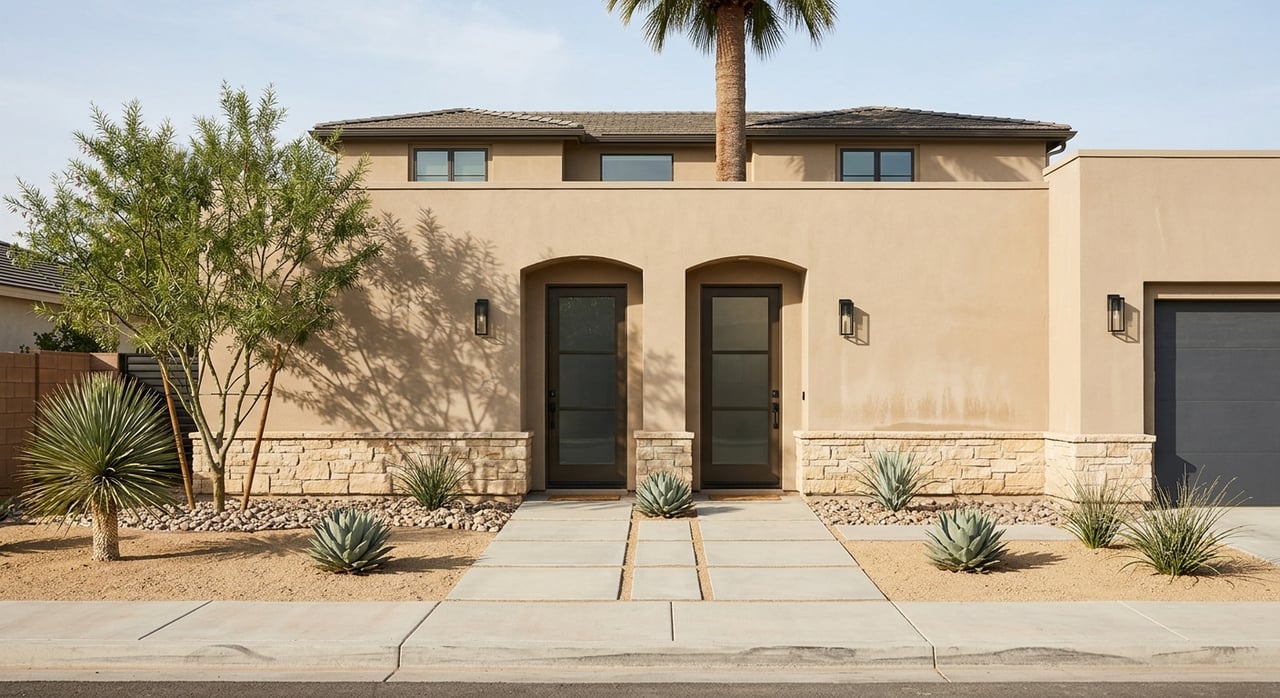
Thinking about buying your first rental in North Las Vegas? You are not alone. Investors are drawn to the area’s steady population base, relative affordability, and strong job anchors that feed year-round rental demand. If you want clear steps, local rules, and real numbers to build a confident plan, this guide will help.
Below, you will learn how the market works, what laws and permits you must follow, and the exact due diligence to run before you write an offer. Let’s dive in.
Why North Las Vegas rentals
North Las Vegas is a value-focused submarket within the Las Vegas metro. The city’s estimated population reached 294,034 as of July 1, 2024, which supports ongoing renter demand across product types. You can see the latest estimate from the U.S. Census QuickFacts for North Las Vegas.
- A large tenant base: service and hospitality workers, logistics and warehouse employees, military-affiliated households, and families seeking relative affordability.
- Job drivers: recent industrial and distribution investment has expanded employment options that support single-family rental demand, according to the City’s economic materials.
- Rent levels that pencil: average asking rents fall in the mid-$1,000s per month across the city, according to RentCafe’s tracker.
If you want stable demand and approachable price points compared to some neighboring submarkets, North Las Vegas can be a practical starting point.
Property types that work
- Single-family rentals. SFRs are common and often appeal to households seeking more space, a garage, or a yard. Leasing cycles and turnover costs can differ from apartments, so plan for longer lease terms and periodic make-ready expenses.
- Small multifamily. Duplexes and small garden-style buildings are also part of the local mix. These can spread vacancy risk and centralize maintenance, but they require careful inspection of systems and shared components.
Your choice should match your budget, risk tolerance, and management plan. If you are out of state, professional management is usually essential.
Rents and income benchmarks
- Average apartment rent: recent market trackers show typical apartment rents around the 1,500 to 1,700 dollars per month range in North Las Vegas. Always verify the current number at the time you underwrite.
- HUD Fair Market Rent: for the Las Vegas–Henderson–North Las Vegas MSA, the FY2026 two-bedroom FMR is 1,735 dollars. FMRs are useful when sizing potential voucher demand or underwriting a Section 8 strategy.
- Home prices and comps: public market portals recently placed North Las Vegas median values in the low-to-mid 400,000 dollar range in late 2025 and early 2026. For offer strategy, use hyper-local comps on the block and within the same property profile.
Tip: build your pro forma with conservative rents and a vacancy buffer. Rents can move by submarket, and condition plus amenities will push outcomes up or down.
Key laws and permits
Nevada and the City of North Las Vegas have clear rules you must follow. Bookmark these items and build them into your operations.
- Business license. Confirm whether your rental operation requires a City of North Las Vegas business license. The City’s Business License Division is your first stop for process and forms.
- Short-term rentals. If you plan to operate an STR, North Las Vegas allows them only with a Conditional Use Permit and an approved business license. There are separation and operational requirements, so verify feasibility before you write an offer.
- Security deposits. Nevada law requires you to provide an itemized accounting and to return any remaining portion no later than 30 days after the tenancy ends. Missing this timeline can create statutory liability. Build a checklist to meet the 30-day clock.
- Eviction notices. Nevada’s summary eviction statute typically requires a 7 judicial day notice-to-pay-or-quit period for nonpayment before you can pursue a summary eviction. Follow delivery and filing rules exactly to avoid delays.
- Crime Free Multi-Housing. North Las Vegas Police offer a training and certification program that some owners and managers use as a risk management step.
A local attorney can review your lease language, notice forms, and move-out accounting process so you stay aligned with NRS and local practice.
Taxes and insurance basics
- Property taxes. Nevada uses a statutory assessment framework with an assessment ratio and local tax district levies. Effective tax burdens in Clark County are often modest compared to many states, but your actual bill depends on the parcel’s district and any abatements. Pull the parcel’s tax history and current levy during due diligence.
- Insurance. Quote landlord policies that cover structure, landlord liability, and loss of rent. Premiums vary by occupancy type, home age, claim history, and local hazards such as heat and desert storms.
Build realistic annual numbers for taxes, insurance, and reserves so your debt coverage stays healthy even with surprises.
Financing and returns
- Loan options. Investor loans and DSCR products have different underwriting standards than owner-occupied mortgages. Expect higher down payments and rate spreads. Get quotes early so your offer terms are realistic.
- Returns vary by deal. SFR yields depend on purchase price, interest rate, taxes, management fees, rent levels, and capital expenses. Model multiple cases, including a stress scenario with lower rent, longer lease-up, and higher maintenance.
Two simple rules help: underwrite with a maintenance and capex reserve, and keep a vacancy buffer. Your future self will thank you.
Pick the right submarket
Rents and retention vary block by block. When you evaluate a target area, look closely at:
- Proximity to major employment centers like industrial parks, distribution hubs, the resort corridor, and Nellis AFB.
- Commute times and access to main arterials.
- The condition and pricing of competing rentals within a half-mile radius.
- HOA and CC&R rules that may affect leasing, pets, or exterior standards.
- Neutral, factual local indicators such as public amenities, code requirements, and property condition trends.
Walk the street at different times, review recent leases nearby, and align upgrades to what renters in that pocket value most.
Your step-by-step checklist
Use this order of operations for a first purchase in North Las Vegas:
- Pull market comps. Review 6 to 12 months of sold comps and live rental asks in the same tract. Use like-for-like properties for a true picture of rent and value.
- Confirm legal use. Check zoning and any HOA rules. If you are exploring a short-term rental strategy, confirm that a Conditional Use Permit and business licensing are feasible before you proceed.
- Verify taxes. Retrieve parcel tax district details and any special assessments. Model the current levy in your pro forma.
- Align your lease with NRS. Have a Nevada attorney review your lease, notices, and move-out accounting to comply with NRS 118A and summary eviction procedures.
- Get financing quotes. Ask lenders for investor or DSCR terms and lock down a pre-approval so you can write clean offers.
- Plan management. Define your day-to-day operations, including leasing, inspections, and maintenance response. Price professional management if you will not self-manage.
- Inspect thoroughly. Order a full home inspection and any needed specialty checks, such as roof, HVAC, sewer, pest, or structural, before you remove contingencies.
Keep a written file with your comps, legal confirmations, lender quote, inspection results, and a final pro forma. That discipline protects your returns.
Operations that protect returns
Good systems matter more than squeezing the last dollar of rent. Build these into your plan:
- Document everything. Keep dated records of notices, repair requests, and completion photos. This supports smooth renewals and defensible decisions.
- Budget for turns. Set aside reserves for paint, flooring, and appliance maintenance between tenants.
- Safety and training. Consider the City’s Crime Free Multi-Housing program for training and process standards that fit larger portfolios.
Over time, consistent service and clear communication reduce turnover and keep your property performing.
How we help
As a boutique, data-informed brokerage, we help you target the right pocket, price your offer with local comps, and coordinate the process end to end. You get clear valuation guidance, organized timelines, and access to our vetted partners for lending and inspections. If you are remote, we provide video walk-throughs, digital signatures, and streamlined updates so you can move with confidence.
When you are ready, we will map your investment goals to on-the-ground realities and build a purchase plan that fits your budget and timeline.
Ready to start your North Las Vegas rental search? Book a consultation with Emile Tambicannou to get local comps, lender intros, and a step-by-step plan.
FAQs
What are average rents in North Las Vegas?
- Market trackers report typical apartment rents around 1,500 to 1,700 dollars per month; always verify current figures for your specific neighborhood.
Do I need a business license to operate a rental in North Las Vegas?
- Yes, confirm requirements with the City’s Business License Division and obtain any needed license before advertising your rental.
Are short-term rentals allowed in North Las Vegas?
- Yes, but only with a Conditional Use Permit plus a business license, and you must meet separation and operational standards.
How long do I have to return a tenant’s security deposit in Nevada?
- Nevada law requires an itemized accounting and any remaining refund no later than 30 days after the tenancy ends.
What eviction notice timeline applies for nonpayment in Nevada?
- The summary eviction path generally requires a 7 judicial day notice-to-pay-or-quit before filing; follow statutory delivery and filing rules.
What is the HUD Fair Market Rent for a 2-bedroom here?
- FY2026 FMR for a 2-bedroom in the Las Vegas–Henderson–North Las Vegas MSA is 1,735 dollars, which can help size voucher demand.
How should I estimate property taxes for underwriting?
- Nevada uses a statutory assessment system and local tax district levies; pull the parcel’s current rate and tax history before you finalize your pro forma.