Buying in Henderson often means looking at homes inside master-planned or gated neighborhoods. If HOA fees feel confusing, you are not alone. You want to be sure those dues fit your budget and your lifestyle before you fall in love with a home.
This guide explains what HOA fees usually cover in Henderson, typical cost ranges, how Nevada law protects you, and the documents you should request before you commit. You will also get a simple budgeting framework and a checklist to help you compare communities with confidence. Let’s dive in.
Why HOAs matter in Henderson
Henderson has many master-planned and amenity-rich communities where HOAs play a central role. Well-known areas include Green Valley Ranch, Anthem, Sun City Anthem, Inspirada, Seven Hills, MacDonald Highlands, and The Lakes. In these neighborhoods, HOAs help manage shared spaces and maintain consistent community standards.
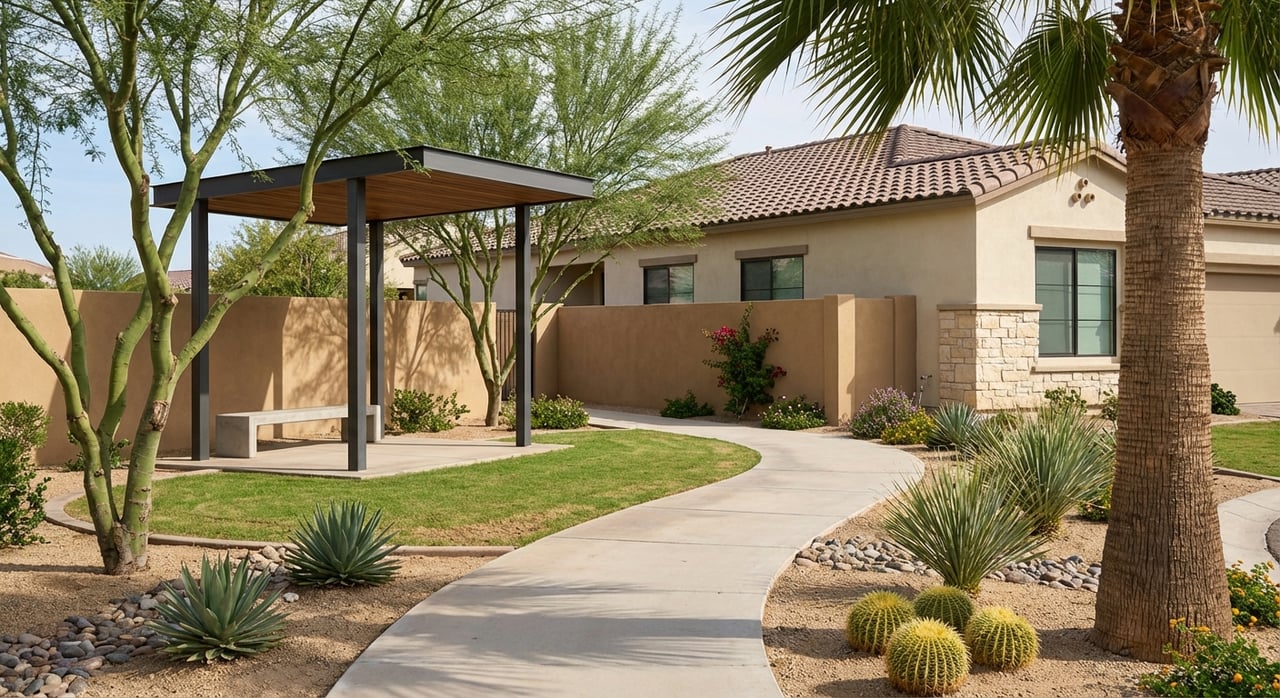
The desert climate also adds unique needs. Common-area irrigation, landscaping, and pool upkeep are ongoing costs that HOAs often manage. Gated and golf-course communities may also include guard services, private road maintenance, and specialized amenities that affect dues.
The key takeaway is simple. HOA dues can change your monthly costs and long-term budget in meaningful ways. Understanding what you get for your fee helps you judge value.
What HOA fees usually cover
HOA fees pay for services and reserves that benefit the community. In Henderson, you will commonly see:
- Common-area maintenance, irrigation, landscaping, street lighting, sidewalks, and entry monuments
- Amenities like pools, clubhouses, fitness centers, tennis or pickleball courts, playgrounds, and parks
- Security or guard gate operations for gated neighborhoods
- Insurance for common elements through a master policy
- Some shared utilities such as water for common areas, sewer, or trash pickup, depending on the community
- Management and administrative costs including third-party management, accounting, legal, and mailings
- Reserve contributions to fund future repairs and replacements such as roads or pool equipment
- Social programs and activities in age-restricted communities
- Landscaping and irrigation repairs that are especially relevant in the desert
A master association may exist on top of a neighborhood HOA. If so, you could see two separate assessments that cover different services.
Typical HOA fee ranges in Henderson
Every community is different, but these ranges can help frame your expectations:
- Condominiums and attached homes often start in the low hundreds per month and can run higher depending on amenities and insurance. A common range in many metro areas is about $150 to $500 per month or more.
- Detached single-family homes in master-planned communities with basic amenities often range from about $50 to $300 per month.
- Higher-end gated, golf-course, and age-restricted communities with extensive amenities and security can range from about $300 to $1,000 per month or more.
Treat these as illustrative ranges. In Henderson, fees vary by community, amenities, and whether there is both a neighborhood HOA and a master association. Always confirm the current fee schedule for the specific property.
Why ranges vary so much
- Number and type of amenities such as pools, gyms, golf courses, or guard gates
- Whether certain utilities are included
- Community size and ability to spread fixed costs
- Reserve funding and timing of major projects
- On-site staffing versus third-party management
Understanding these drivers helps you compare apples to apples across neighborhoods.
Nevada law and your protections
Nevada Revised Statutes set out your rights as a buyer in a common-interest community. You can review the law in Nevada Revised Statutes Chapter 116. The Nevada Real Estate Division also provides consumer guidance.
Here are key items you should expect and request:
Resale packet and estoppel certificate
Ask for the association’s resale packet early in your contingency period. This typically includes the current assessments, unpaid amounts owed by the seller, governing documents, recent budgets, reserve information, and management contacts. There is usually a fee for this packet.
Budget, reserves, and reserve study
Review the current operating budget and any reserve study or reserve balances. Well-funded reserves are a good sign. Low reserves or an outdated study can mean a higher risk of future special assessments.
Meeting minutes and any litigation
Request recent board meeting minutes, often the last 12 to 24 months. Look for recurring issues, large planned projects, or resident concerns. Ask for disclosures of any pending litigation involving the association.
Insurance summary
Obtain a certificate of insurance for the master policy. It will show what the association insures and the deductible. You will still need your own policy for your interior and personal property. Ask your insurance agent about loss assessment coverage if appropriate.
Rules and restrictions
Review rules that affect your use or future resale. Common examples are rental rules, pet policies, and architectural standards. Make sure the community’s rules match your plans.
Documents to request before you buy
Use this checklist during your due diligence:
- Estoppel or resale certificate with current dues and any unpaid amounts
- CC&Rs, bylaws, rules and regulations, and architectural guidelines
- Current operating budget and recent financial statements
- Reserve study and current reserve balance
- Board meeting minutes for the last 12 to 24 months
- Master insurance certificate and deductible schedule
- Assessment schedule and any planned special assessments
- Collection policy and delinquency statistics
- Management contract if a third-party manager is used
- List of association contacts and meeting schedules
- Long-term service contracts such as landscaping or security
- Written disclosure of pending litigation or claims
If you want to verify parcel information or county records tied to a property, visit Clark County’s official site.
How to evaluate HOA value
Not all amenities will matter to you equally. Focus on what you will use and what the association handles for you.
- Align with your lifestyle. If you love swimming, tennis, or social events, a community with those features may be worth higher dues. If you rarely use them, you may prefer a simpler, lower-fee neighborhood.
- Compare substitute costs. If the HOA provides trash, a pool, gym access, or landscaping, estimate what it would cost to pay for those on your own. This helps you judge whether the fee is fair.
- Weigh security and convenience. Guard gates, on-site management, or included landscape maintenance can justify higher dues for some buyers.
- Prioritize financial health. Strong reserves and a clear capital plan make future costs more predictable.
Budgeting for HOA fees
Start with the monthly fee and scale up. Here is a simple approach you can use for any property:
- Convert the monthly dues to an annual number. Example: $250 per month is $3,000 per year.
- Add your other housing costs that the HOA does not cover. This includes your interior insurance policy, utilities, and repairs you are responsible for.
- Ask about special assessments. Treat an announced or likely assessment as a near-term expense.
- Check for multiple associations. You may have a neighborhood HOA and a master association. Add both.
- Confirm included services. Ask whether trash, water for common areas, or bulk internet or cable are included.
- Add a buffer for surprises. Consider setting aside an extra 5 to 10 percent to cover increases or unexpected assessments.
Sample monthly snapshot
- Mortgage payment: your lender’s estimate
- HOA fee: example $300 per month equals $3,600 per year
- Property tax and insurance: your estimates
- Recommended buffer: consider an extra $50 to $150 per month depending on the association’s risk factors
If you plan to use an FHA or VA loan for a condominium, ask your lender about project approval rules early. Some programs require the community to meet specific criteria.
Special assessments: what to watch
Special assessments are one-time charges for major projects or shortfalls. They are more likely when reserves are low, a major project is overdue, or unexpected repairs arise.
Ask for the association’s history of assessment increases and any special assessments over the last 3 to 5 years. Review reserve studies and meeting minutes to spot big projects on the horizon. Use this information to decide whether to add a larger buffer to your budget.
Red flags and risk signals
Be alert to signs that costs could rise soon.
- Low reserves or an outdated reserve study
- High delinquency rates among owners
- Ongoing or pending litigation
- Large maintenance projects without a clear funding plan
- Frequent surprise assessments in recent years
These do not have to be deal breakers. They do signal that you should budget carefully and ask more questions.
How your agent helps you compare HOAs
A local expert can help you interpret budgets, reserve studies, and rules so you can buy with confidence. You should expect support in requesting the resale packet, reviewing recent minutes, and confirming all assessments. If you are using government-backed financing, your agent can help coordinate with your lender on project requirements.
When you balance the amenities you want with a clear view of the costs, you set yourself up for a smoother ownership experience.
Ready to shop Henderson communities?
If you want a clear side-by-side comparison of HOA fees, amenities, and financial health across Henderson neighborhoods, let’s talk. I will help you gather the right documents, interpret the numbers, and match you with a community that fits your lifestyle and budget. Connect with Emile Tambicannou to Book a Consultation and move forward with confidence.
FAQs
What do HOA fees typically cover in Henderson?
- Common-area upkeep, amenities, security services in gated communities, a master insurance policy for shared elements, management costs, and reserves for future repairs.
How can I verify Nevada HOA rules and buyer rights?
- Review Nevada Revised Statutes Chapter 116 and visit the Nevada Real Estate Division for consumer guidance and resources.
What documents should I request before buying in an HOA?
- Ask for the resale packet, budgets, reserve study and balances, recent board minutes, insurance certificate, assessment schedule, rules, collection policy, and any litigation disclosures.
Why do HOA fees vary so much across Henderson communities?
- Differences in amenities, included utilities, community size, reserve funding, staffing, and whether there is both a neighborhood HOA and a master association.
How do I budget for HOA fees alongside my mortgage?
- Convert dues to annual cost, add non-covered items like insurance and utilities, check for special assessments, account for multiple associations, and keep a 5 to 10 percent buffer.
Where can I confirm property and parcel details for a Henderson home?
- Use official county resources such as Clark County’s website to look up parcel and property information.