Thinking about moving to Summerlin but not sure what “master-planned” really means for your day-to-day life and long-term value? You’re not alone. The term sounds technical, yet it shapes nearly everything you’ll experience as a homeowner here, from the look of your street to the trails you walk and the rules you live by.
In this guide, you’ll learn how Summerlin’s master plan is organized, how HOAs and design standards work, what amenities are built into the community, and how the structure can influence home search and resale. You’ll also get a simple, step-by-step path to research villages and review documents with confidence. Let’s dive in.
Master-planned 101 in Summerlin
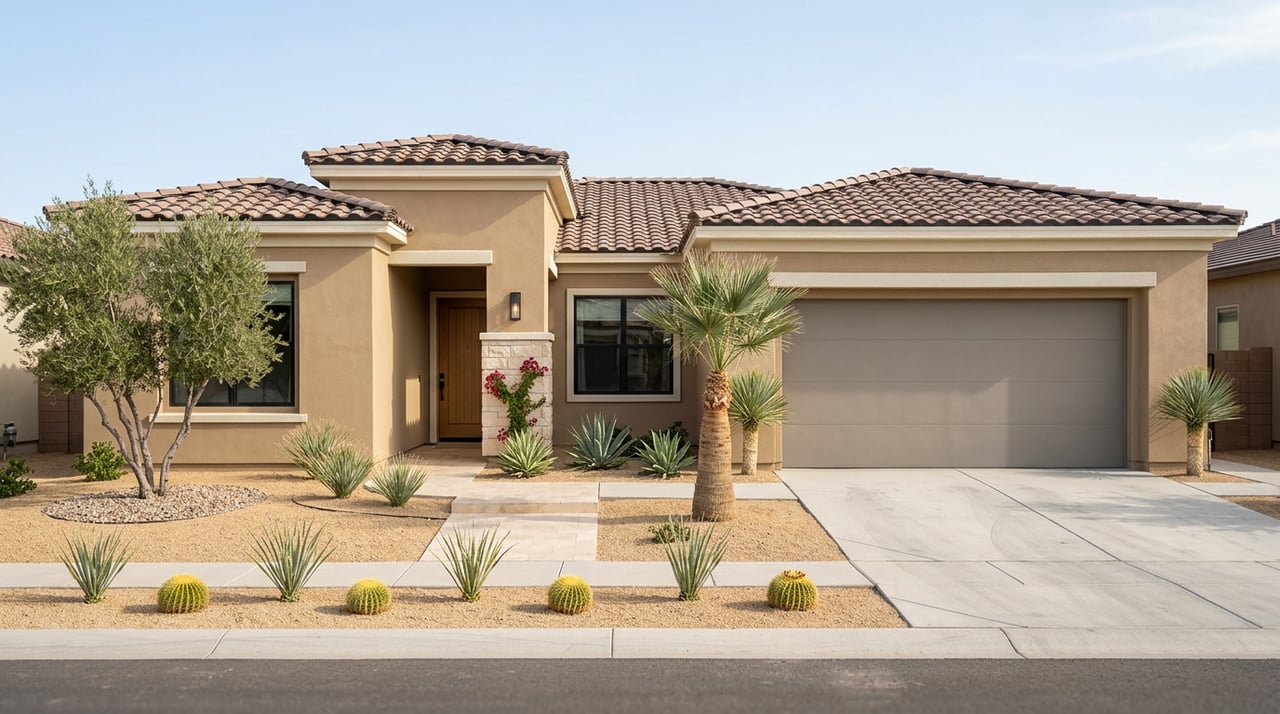
Summerlin was developed over decades by The Howard Hughes Corporation as a large, integrated community built around a long-term land plan. The design bundles housing, parks and trails, retail, and civic uses so the whole area functions as a cohesive community. You can explore village maps and amenities on Summerlin’s official community site.
Why this model matters
- Predictable neighborhood feel: design standards and landscaping keep streetscapes consistent over time.
- Built-in amenities: parks, trails, pools, and nearby retail make daily life more convenient.
- Clear rules and oversight: HOAs and design committees manage maintenance and community standards. This is a benefit for many buyers, but the rules and fees deserve a close look.
Villages and daily life
Summerlin is organized into distinct villages, each with its own character and mix of housing. Villages typically connect to a network of parks and trails and have convenient access to shopping and schools.
Trails and open space
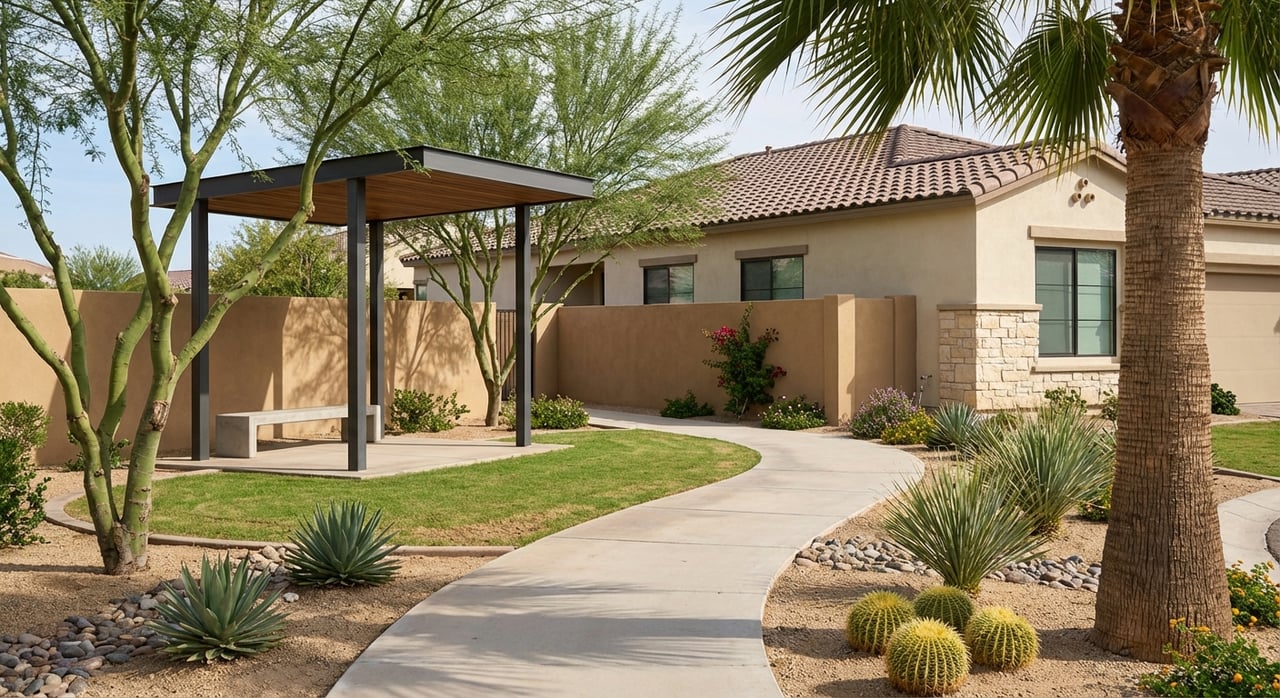
An extensive trail system ties neighborhoods to parks, schools, and open space near Red Rock Canyon. Many buyers value the ability to walk, run, or bike without leaving the community. Trail and park access points are shown on Summerlin’s official site.
Retail and civic hubs
Planned commercial centers add convenience and reduce driving for errands and dining. The most notable hub is Downtown Summerlin, a regional center with shopping, restaurants, entertainment, and offices that anchors the community’s lifestyle.
Schools and public services
Public schools serving Summerlin are part of the Clark County School District. Attendance zones vary by neighborhood, so always verify your exact address using CCSD’s official site. Police, fire, utilities, and roads are provided by regional agencies, and some neighborhoods may add private services like gate operations or supplemental security.
Governance, HOAs, and design controls
Summerlin’s structure includes layered oversight. Understanding the basics will help you match a home to your lifestyle and budget.
Layers you’ll encounter
- Developer planning: the master plan set village layouts, open space, major roads, and commercial nodes.
- Master and village HOAs: most areas have CC&Rs and a board that manages landscaping, architecture, and local amenities.
- Sub-associations: gated enclaves, condos, or townhome communities often sit under a village HOA with their own rules and budgets.
- Professional management: many associations hire third-party managers to handle finances, enforcement, and vendor contracts.
What the rules usually cover
- Exterior changes: paint colors, fencing, landscaping, and additions typically require architectural review and approval.
- Use and lifestyle: short-term rentals, leasing minimums, parking rules, and pet policies vary by association.
- Maintenance standards: yard care, exterior upkeep, and common-area responsibilities are spelled out in the CC&Rs.
Fees and special assessments
- HOA fees vary by village and housing type. They may cover common-area landscaping, irrigation, street lighting, gate or pool operations, and reserve funding.
- Special assessments can occur for capital repairs or projects. Review the association’s reserve study, budgets, and meeting minutes to gauge risk.
How the plan affects value and resale
Master-planned communities often support value thanks to consistent design and amenity access. In Summerlin, those features are a clear draw, yet details at the village and property level matter.
Value-supporting features
- Amenity proximity: maintained parks, trails, and nearby retail often increase buyer appeal.
- Consistent curb appeal: CC&R enforcement and funded maintenance help neighborhoods age well.
- Predictable land use: long-term planning reduces uncertainty about what may be built nearby.
Factors that can narrow buyer pools
- Higher fees or strict rules: some buyers avoid neighborhoods with high monthly costs or tight remodeling and rental limits.
- Assessment history: frequent or recent special assessments can make buyers cautious.
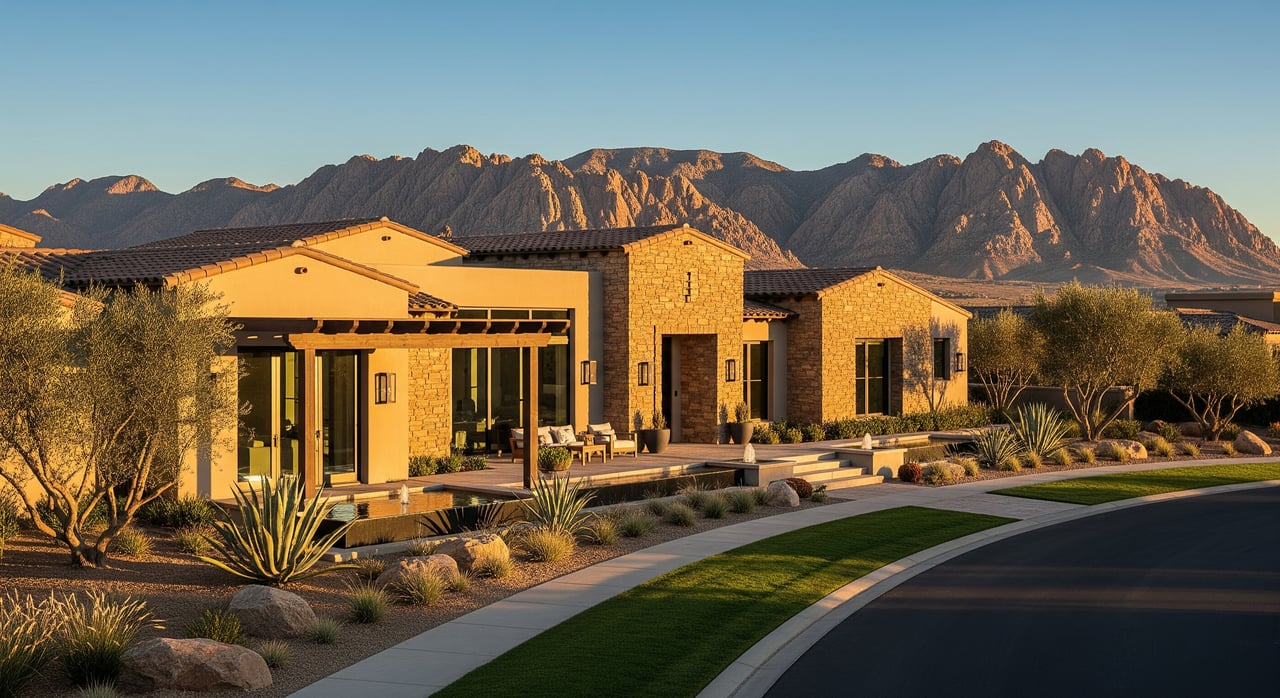
- Micro-markets: golf-course settings, gates, newer product, and custom or luxury enclaves typically command higher prices than older or entry-level areas. Within Summerlin, price points vary by village, age, and proximity to major amenities.
How to evaluate resale for a specific home
- Pull recent comparables in the same village and housing type.
- Review HOA documents, budgets, reserve studies, and meeting minutes for the last year.
- Confirm rental and leasing policies if you may rent the property.
- Ask about planned road work or new retail nearby and consider how that may affect traffic or convenience.
How to compare villages step by step
Use this practical path to narrow choices and prepare for tours.
- Map your lifestyle
- Shortlist 2–4 villages using Summerlin’s official site to review maps, trails, and amenities.
- Decide how important walkability, park access, and proximity to Downtown Summerlin are for you.
- Verify schools and services
- Use CCSD’s official site to confirm current school assignments for your target addresses.
- Understand HOA structures
- For each candidate neighborhood, ask for CC&Rs and design guidelines to see what is allowed and how approvals work.
- Line up tours
- Visit at different times of day to check traffic and noise.
- Tour parks, pools, and community centers when possible. Ask about guest policies and any fees.
- Compare total monthly cost
- Add mortgage, HOA fees, property taxes, utilities, and any community-imposed costs for a realistic ownership picture.
What to review before you offer
Collect these documents for the specific property and association. Your purchase contract and disclosures typically include a path to obtain them.
- CC&Rs, bylaws, and rules and regulations
- HOA budget, reserve study, and recent financials
- Board meeting minutes for the last 12 months
- History of special assessments or planned capital projects
- Proof of insurance for common areas
- Architectural guidelines and modification procedures
- Written rental and leasing policies
Costs to plan for
Your total cost of ownership will vary by village and housing type. Plan for the following.
- HOA fees: monthly or quarterly. Confirm what is included.
- Transfer and disclosure fees: due at closing per association rules.
- Possible move-in fees: more common in condo or townhome sub-associations.
- Future assessments: review reserve funding and planned projects to gauge risk.
Putting it all together
Master-planned living in Summerlin gives you a clear structure, amenity-rich neighborhoods, and a predictable framework for long-term maintenance and design. The trade-off is that you accept rules and fees that vary by village and housing type. If you align the village, HOA, and amenities with your budget and lifestyle, you can enjoy the benefits that draw so many buyers to this part of the valley.
If you want a guided shortlist of villages, HOA document review, and a tour plan tailored to your lifestyle, connect with Emile Tambicannou to Book a Consultation.
FAQs
What is a master-planned community in Summerlin?
- It is a long-range plan that integrates housing, parks and trails, retail, and civic uses under consistent design standards and HOA oversight.
How are Summerlin’s villages defined?
- Villages are planned areas within the master plan with their own housing mix, amenities, and HOA structures linked by the community’s road and trail network.
What do Summerlin HOA fees usually cover?
- Fees vary by village and product type but often include landscaping and irrigation for common areas, street lighting, amenity operations, and reserve funding.
Are rentals or short-term rentals allowed in Summerlin?
- Policies vary by association. Review the CC&Rs for rental caps, minimum lease terms, and any short-term rental restrictions before you offer.
How do trails and parks connect to neighborhoods?
- Summerlin’s planned trail system links many neighborhoods to parks, schools, and commercial nodes. You can review maps on Summerlin’s official site.
How are public schools assigned in Summerlin?
- Assignments are set by the Clark County School District and vary by address. Confirm current zoning using CCSD’s official site.
How does being near Downtown Summerlin affect value and lifestyle?
- Proximity adds convenience for shopping, dining, and services, which many buyers value. Some micro-markets near retail or golf command higher prices based on demand.
Which documents should I request before buying in a Summerlin HOA?
- Ask for CC&Rs, rules, budgets, reserve study, financials, board minutes, insurance, special assessment history, and architectural guidelines with modification procedures.