Imagine starting your morning with mountain light over a manicured fairway and a quiet, gated street outside your door. If you are considering Southern Highlands on Las Vegas’ south side, you likely want security, convenience, and an active, amenity-rich lifestyle. In this guide, you will learn how the private golf scene works here, what it costs, what to watch for with HOA and club rules, and how to choose the right golf-adjacent home. Let’s dive in.
Southern Highlands at a glance
Master-planned community
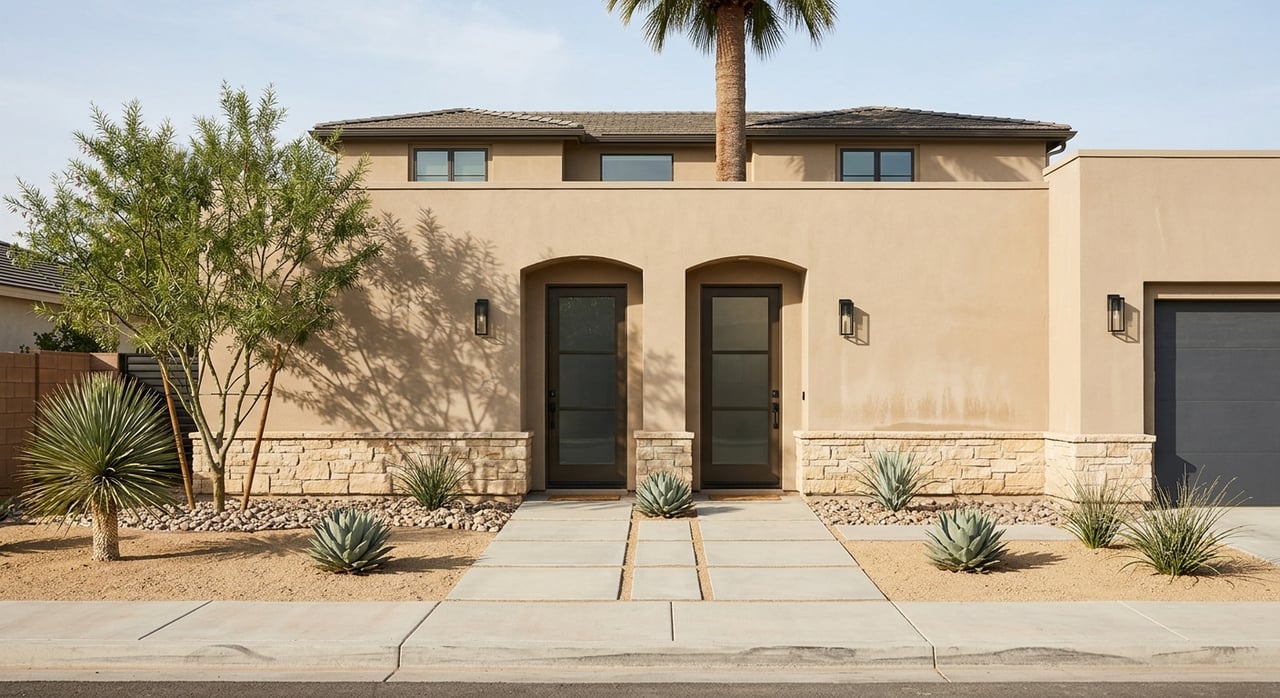
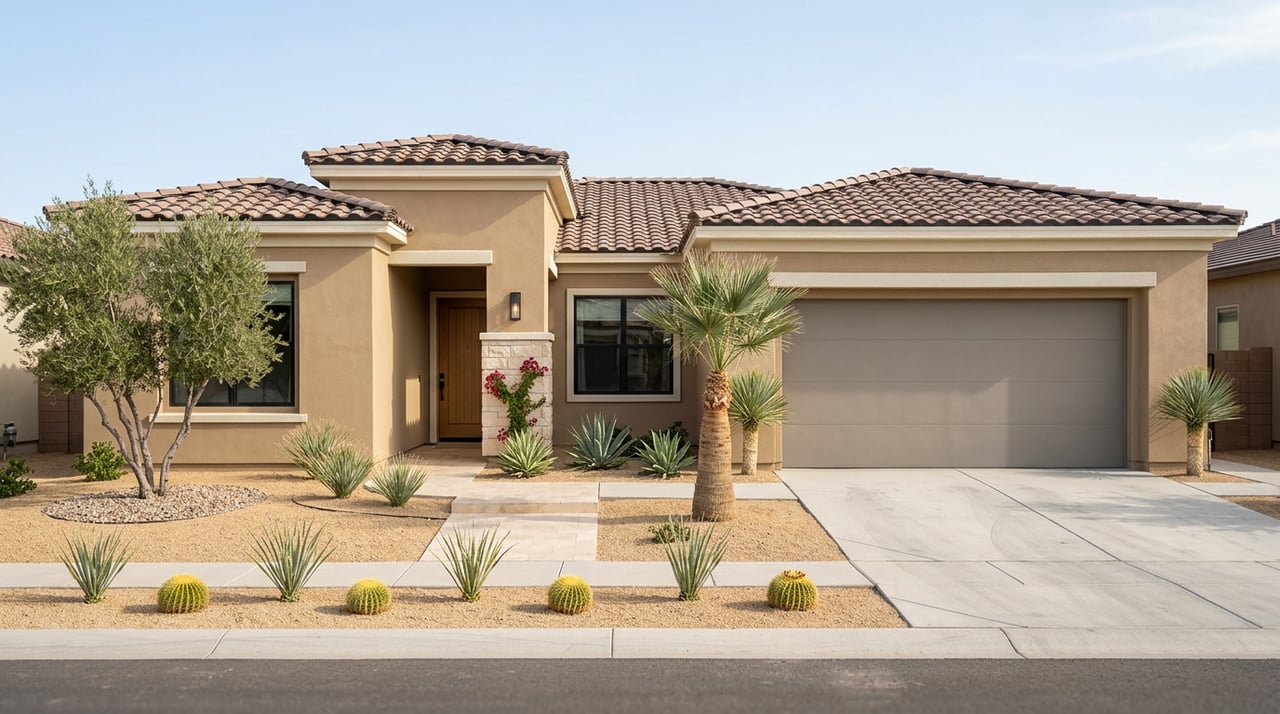
Southern Highlands is a gated, master-planned community known for higher-end single-family homes, custom estates, and a private golf club at its core. Neighborhoods are landscaped and amenity focused, with sections that feel distinct but connected. Many buyers appreciate the proximity to major roads, the Strip, and the airport compared with more distant suburbs.
Who this lifestyle fits
You will find a mix of professionals, empty nesters, retirees, and move-up buyers who value privacy, on-site recreation, and a well-kept environment. If a backyard that opens to green space, a social calendar, and a quieter street appeal to you, this area delivers. Some buyers relocate for work in Las Vegas, while others are local move-ups seeking views and amenities.
HOA vs. private golf club
It is important to understand there are separate entities here. The HOA and master association manage gates, common areas, CC&Rs, and neighborhood standards. The golf club is a separate private business that operates the course, clubhouse, and memberships. Membership is usually optional, but confirm the rules for your specific subdivision before you tour.
The golf club experience
Membership categories to expect
Private clubs commonly use a tiered structure. While exact offerings change, expect:
- Full golf membership: golf access, practice facilities, tournaments, and handicap services.
- Social or spouse membership: dining, social events, pool, and fitness with limited golf privileges.
- Junior or young executive options: lower cost with age or access limits.
- Non-resident or seasonal plans: for part-time residents.
- Corporate or transferable options: vary widely by club. Before you apply, review initiation requirements, dues, waiting lists, transfer rules, food and beverage minimums, guest policies, and tee-time priorities.
Clubhouse amenities that matter
Most private clubs offer on-site dining, event spaces, a pro shop, practice areas, pool, fitness center, and often tennis or pickleball courts. The social calendar is a big part of the value, from holiday gatherings to leagues and charity tournaments. If you want an easy routine, the ability to work out, dine, and meet neighbors in one place is a major perk.
How membership connects to housing
Membership is typically optional for homeowners, and you can live on or near the course without joining. Homes closer to the club or with course views often carry a premium because of scenery and convenience. In certain gated sections, roads or landscape ties may overlap with club property, so verify any shared access or maintenance responsibilities during due diligence.
Choosing the right golf-adjacent home
Views and orientation
If views are your priority, look for lots backing to fairways or greens with open sightlines. Consider sun exposure and wind patterns, since orientation will affect your patio use and energy costs. Elevated lots can offer privacy and broader views, but weigh the distance to the fairway for safety and noise.
Outdoor living and community rules
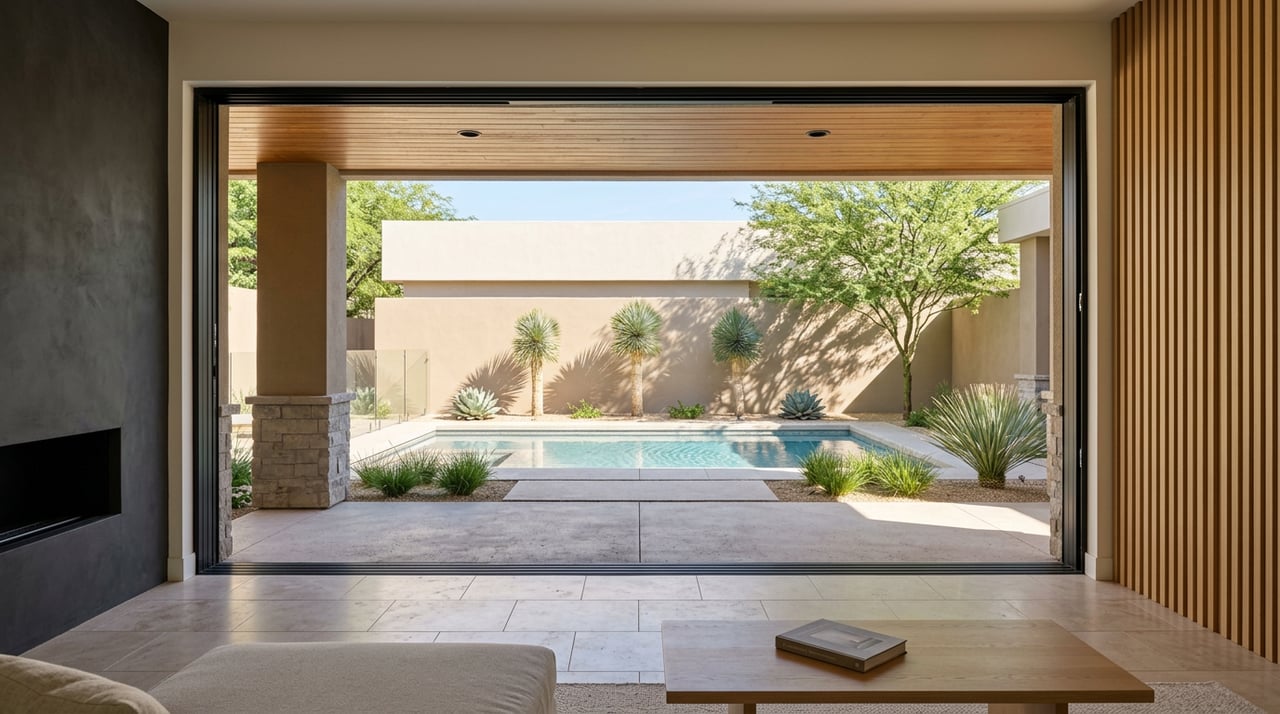
Backyards that open to the course often feel larger and more private than neighbor-to-neighbor lots. That said, expect HOA rules on fencing, landscape choices, and exterior changes to protect sightlines and maintenance access. Ask for written guidelines early so your future pool, shade structure, or putting green plans align with the rules.
Noise, events, and safety
Golf brings patterns of activity. Early mornings may include mowers and irrigation. Weekends and tournament days can be busier with carts and guests. Evaluate the risk of errant golf balls by checking your distance from play areas, the angle to the fairway, and any existing netting or design features that protect windows and patios.
Landscaping and environment
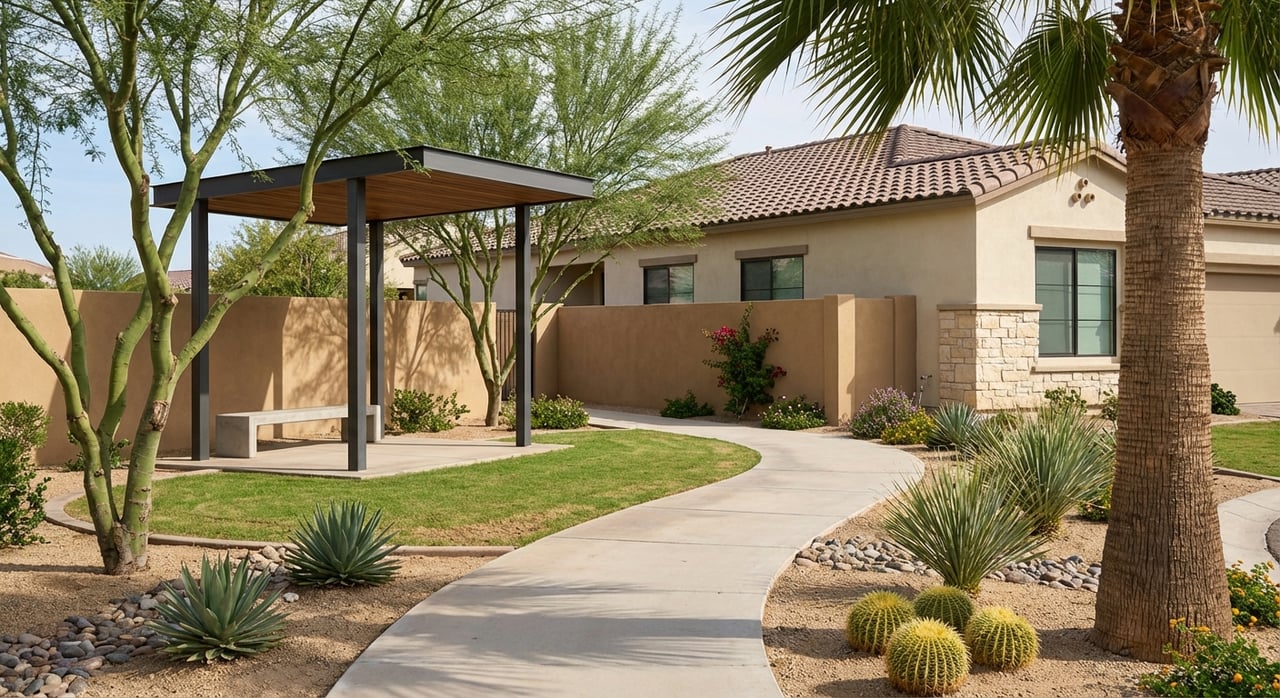
Course corridors use irrigation consistent with desert management practices. Nearby homes benefit from green views but should understand water usage, pest control schedules, and any notification policies for turf treatment. Greenspace attracts birds and small wildlife, which can be a plus for viewing or a nuisance depending on your tolerance.
Easements and setbacks
Many golf-side lots include recorded easements or setback strips for maintenance access. Verify where your property line ends, what the course or HOA can do on adjacent strips, and how that affects fencing or future hardscape plans. Clear boundaries prevent surprises after closing.
Ownership costs and risks
Know your monthly and annual costs
- HOA dues: cover gates, common-area landscaping, security, and sometimes exterior work in certain enclaves.
- Club expenses: initiation fees, monthly or annual dues, capital assessments, and possible food and beverage minimums.
- Taxes and insurance: golf-view premiums can influence assessed value; ask your insurer about coverage for glass or golf-ball damage.
- Maintenance and utilities: larger lots, pools, and irrigated landscaping add to ongoing costs.
Special risks to understand
- Club changes: private clubs are businesses that can change ownership, adjust offerings, or consider land use changes. Ask about financial health and protective covenants.
- Assessments: major projects at the club or HOA can trigger special assessments. Review history and upcoming plans.
- Resale dynamics: golf-view homes draw a more specific buyer pool. In strong markets you may see premiums; in softer markets, marketing times can be longer.
Due diligence checklist
Documents to request
- HOA: CC&Rs, bylaws, rules and regulations, budget, reserve study, recent meeting minutes, and a statement of assessments.
- Club: membership categories, initiation and dues schedules, bylaws and agreements, waiting list policies, and any capital project plans.
- Public records: recorded plat, easement maps, lot survey, and any covenants tied to the course.
- Property: recent pest, pool, and irrigation service records; any available insurance claims history.
Questions to ask
- Is club membership required in this subdivision, and what do non-members access?
- What are current initiation fees and dues, and are any assessments pending?
- Have there been recent renovations or planned projects for the clubhouse or course?
- What are the HOA rules for fencing, landscape, lighting, or exterior changes on golf-side lots?
- Who owns the course land, and have there been ownership changes?
- How are tee times prioritized between members and guests?
- Are there pesticide application notifications or schedules?
On-site observations
- Stand in the backyard and note fairway proximity, sightlines, and sun angles at different times of day.
- Look for irrigation or maintenance access paths near the lot.
- Visit early morning or late afternoon to gauge noise and activity levels.
- Talk to nearby residents about event frequency and their experience with club operations.
Daily life benefits and trade-offs
Lifestyle benefits
- On-site recreation with minimal drive time to golf, fitness, pool, and courts.
- A social calendar that makes it easy to meet neighbors and host guests.
- Gated entries and consistent landscaping that support curb appeal.
- Dining and events close to home for weeknights and weekends.
Common trade-offs
- Ongoing dues and minimums if you join the club.
- Guest rules and tee-time policies that shape how and when you play.
- Early-morning maintenance and occasional event traffic.
- HOA guidelines that influence backyard designs and materials.
Work with a local advisor
Buying in a private golf community is as much about lifestyle fit as it is about the home. You want clear answers on membership, costs, and rules before you make an offer.
If you are serious about Southern Highlands, partner with a local boutique advisor who understands the HOA landscape, club dynamics, and golf-side lot nuances. For tailored guidance, neighborhood insights, and a smooth path from tour to closing, book a consultation with Emile Tambicannou.
FAQs
Is club membership required in Southern Highlands?
- Membership is typically optional because the HOA and the private golf club are separate entities, but confirm requirements for your specific subdivision.
What golf memberships are common in Southern Highlands?
- Expect options like full golf, social, junior or young executive, non-resident, and sometimes corporate categories, each with different access and costs.
How do HOA rules affect golf-side backyards in Southern Highlands?
- Many lots have guidelines on fencing, landscaping, and exterior changes to protect sightlines and maintenance access, so review CC&Rs and rules early.
What about golf-ball risk and insurance near the course?
- Distance and angle to the fairway matter; ask your insurer about coverage for glass or golf-ball damage and evaluate on-site protections during showings.
Are there risks if the golf club changes ownership in Southern Highlands?
- Private clubs can change ownership or operations, which may affect amenities or assessments; ask for financial health information and protective covenants.
What due diligence should I do before making an offer in Southern Highlands?
- Request HOA and club documents, review budgets and rules, confirm easements and surveys, and observe activity on-site at different times of day.