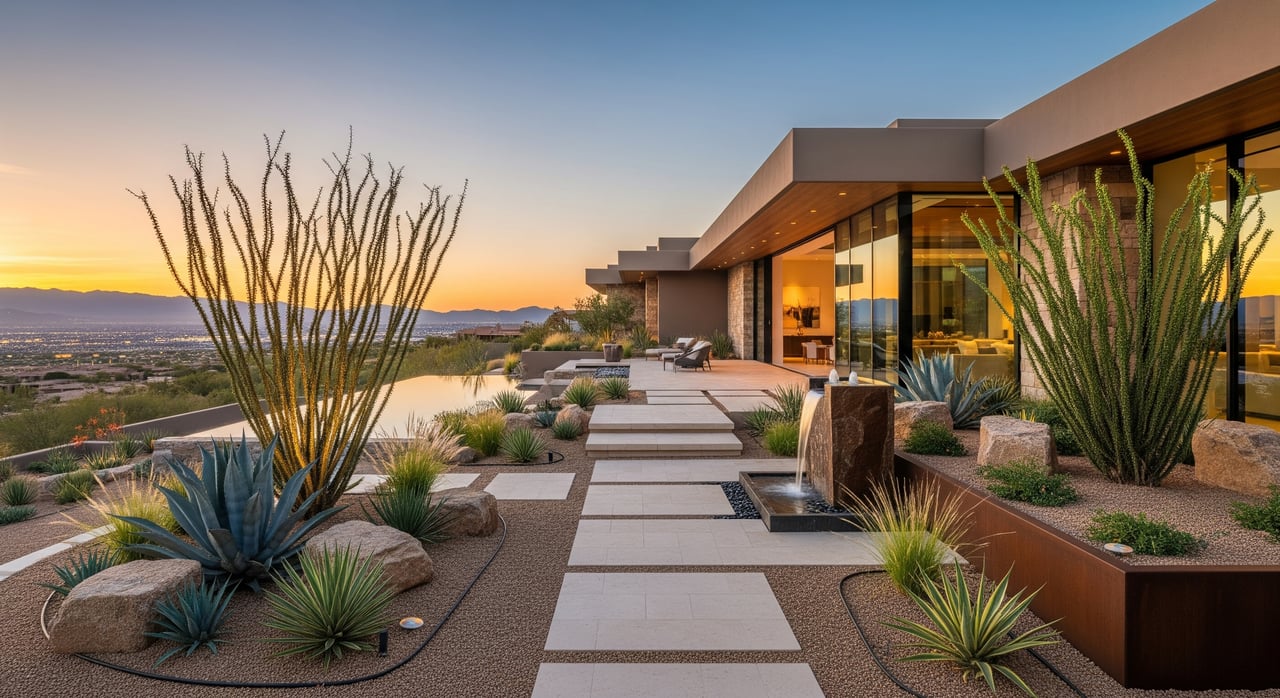
Still watering a patch of lawn in the middle of the desert? In Las Vegas, smart landscaping can lower your bill, simplify maintenance, and upgrade your curb appeal. If you’re thinking about removing turf, you may qualify for regional rebates designed to reward water‑efficient yards. This guide breaks down how the Southern Nevada Water Authority (SNWA) programs work, how to apply, and how to design a landscape that looks great in Clark County’s climate. Let’s dive in.
Why turf conversion matters
Las Vegas sits in a hot, arid desert where outdoor irrigation eats up a large share of home water use. Swapping high‑water‑use turf for a water‑smart design cuts consumption and monthly costs. You also spend less time mowing and fertilizing.
Regional partners coordinate conservation efforts to make this easier for you. SNWA and local water providers prioritize these programs to stretch limited supplies and support long‑term water management. With the right design, you can reduce use while maintaining an attractive, market‑friendly yard.
How SNWA rebates work
SNWA coordinates conservation incentives across Southern Nevada, and local providers like the Las Vegas Valley Water District help administer them. Program rules and amounts can change, so always check current details on the Southern Nevada Water Authority website and the Las Vegas Valley Water District site before you start.
Typical eligible projects
- Turf removal and replacement with water‑efficient landscaping
- Converting high‑water‑use plants to drought‑tolerant species
- Irrigation upgrades that reduce water use, such as drip systems and smart controllers
- Hardscape or permeable surfacing in place of irrigated turf, subject to program rules
Eligibility basics
- Most single‑family homes qualify. Multi‑family, commercial, or HOA common areas may have separate rules.
- The area you convert usually must be irrigated turf or high‑water‑use landscape. Bare soil typically does not qualify.
- Programs often set minimum square footage and may cap total rebates per property or per year.
- Many require pre‑approval. Do not begin work until you confirm requirements.
What you’ll need to apply
- Completed application form
- Proof of property ownership or account holder info
- Before photos and measurements of the turf area
- After photos once work is finished
- Receipts or invoices for materials and labor
- A simple plan or map showing the converted areas and irrigation layout, if required
Step‑by‑step application
Research the program. Review current rules, eligible projects, and rebate amounts on the SNWA site and your local water provider’s page.
Submit your application. Include photos, measurements, and any plan or estimate the program requests.
Get pre‑approval. Some programs must approve your project before you touch the yard. Confirm timelines and inspection steps.
Complete the installation. Follow program specifications for plants, irrigation, mulch, and erosion control.
Schedule verification. An inspector will confirm the project meets requirements. Keep your before/after photos handy.
Receive your rebate. Payment timing varies by program. Check current processing times on the administering agency’s site.
Design a beautiful xeriscape
You can save water without sacrificing curb appeal. Use these xeriscape principles to guide your design:
- Planning and design. Start with a simple site plan. Focus your front yard on attractive, low‑water planting zones.
- Soil improvement. Add organic matter in planting areas to help roots establish and improve infiltration.
- Efficient irrigation. Group plants by water need and run beds on drip. Use smart controllers with weather‑based adjustments.
- Climate‑appropriate plants. Choose drought‑tolerant and locally adapted species that handle heat and alkaline soils.
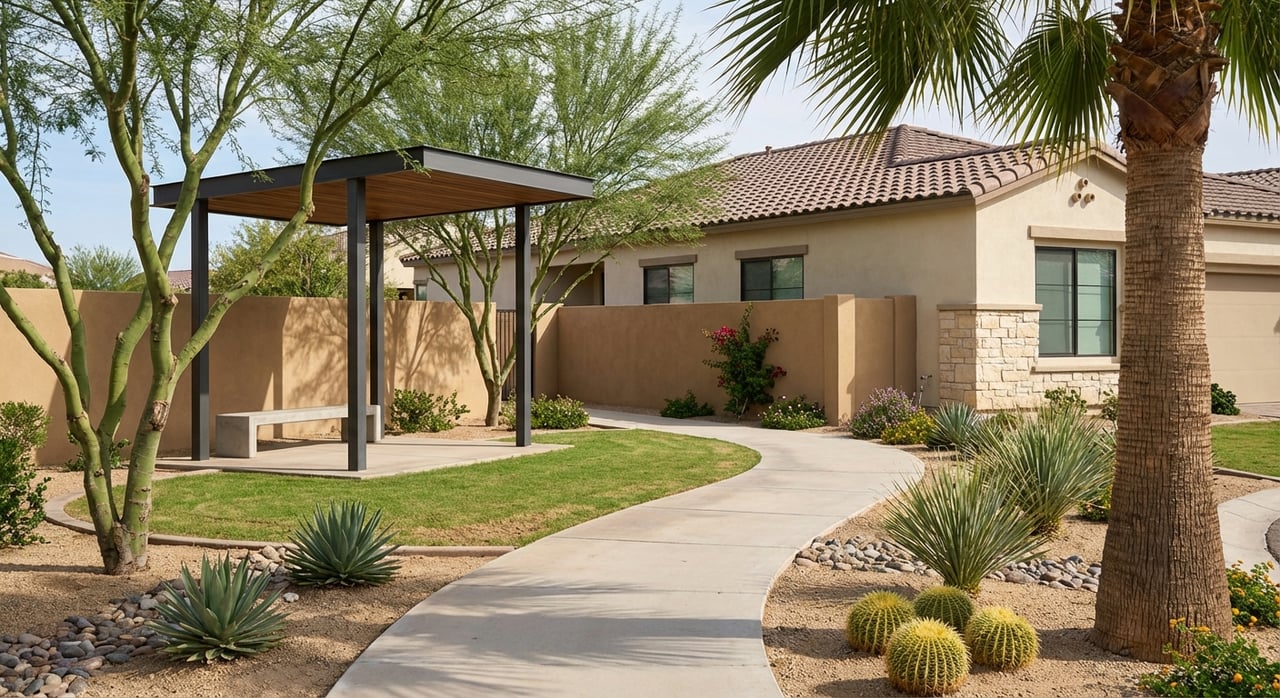
- Mulch and groundcover. Use rock mulch, decomposed granite, or organic mulch to reduce evaporation and create a finished look.
- Targeted turf. If you keep grass for function, keep it small and irrigate efficiently.
- Light maintenance. Seasonal pruning, irrigation tuning, and clean edges keep the yard sharp without heavy watering.
Curb appeal strategies for Las Vegas
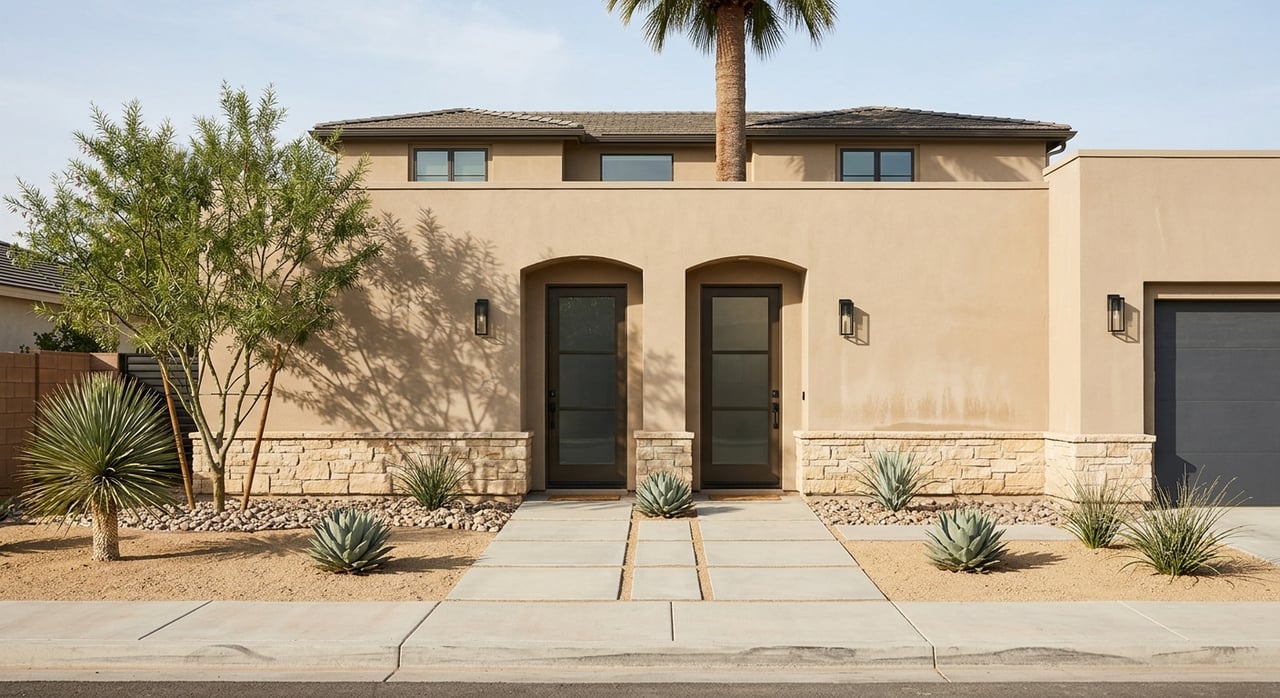
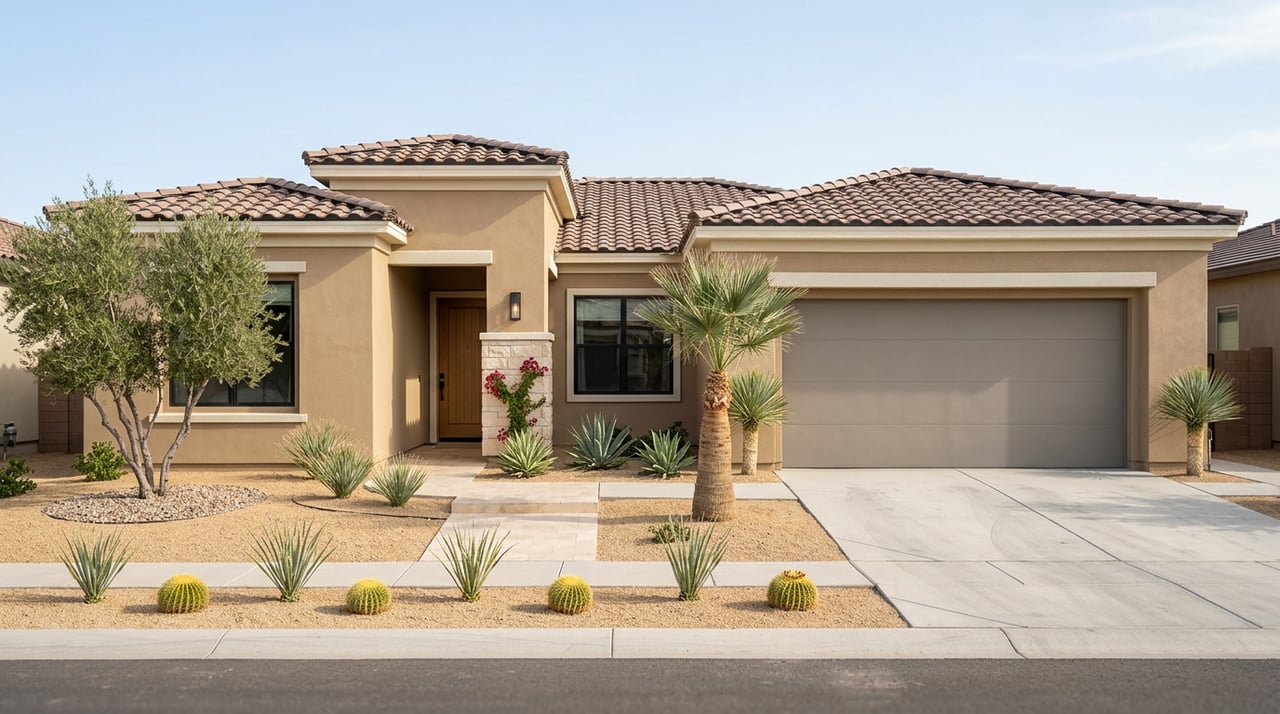
- Highlight the entry. Add layered beds and a clean pathway to create a welcoming feel.
- Mix texture and color. Combine flowering shrubs, succulents, and ornamental grasses for year‑round interest.
- Provide shade thoughtfully. Use appropriate trees as accents without adding high water demand.
- Keep it clean. Use repetition, simple lines, and durable materials for a low‑maintenance look buyers appreciate.
For plant ideas and timing, explore local recommendations from the University of Nevada, Reno Extension.
Smart irrigation essentials
Efficient irrigation is the backbone of water‑smart landscaping:
- Convert spray heads in plant beds to drip with pressure regulation and filtration.
- Install a smart controller and program it seasonally based on local conditions.
- Group similar plants into hydrozones so you never overwater one group to keep another alive.
For best practices, review guidance from EPA WaterSense.
Choose and vet your landscaper
Experience with SNWA‑style projects matters. Look for companies that understand rebate specs and desert design.
- Verify licensing and insurance. Confirm the contractor’s Nevada license with the Nevada State Contractors Board.
- Ask about rebate experience. Clarify who handles paperwork and inspections.
- Request references. Review recent before/after photos of projects completed in the Las Vegas climate.
- Get a detailed proposal. Include scope, plant list, irrigation schematic, timeline, line‑item costs, and warranty terms.
- Confirm maintenance. Understand seasonal tune‑ups or follow‑up support included in the price.
SNWA and local water providers may publish participating contractor resources. Check the SNWA site or your local provider for current information.
HOA and local considerations
Always check HOA rules before you change your front yard. Some associations have guidelines on plant palettes, rock colors, or front yard layout. If you need design approval, start that process in parallel with your rebate application.
For land use or permitting questions, review the Clark County website or your city’s official site.
Example project timeline
- 1 to 4 weeks: Research, design, and contractor quotes
- 1 to 3 weeks: Submit application and wait for pre‑approval (if required)
- 1 to 6 weeks: Installation
- 1 to 4 weeks: Inspection and verification
- 2 to 8 weeks: Rebate payment processing
Seasonal peaks can extend timelines, especially in spring and fall.
Handy resources
- Program details and updates: Southern Nevada Water Authority
- Local provider information: Las Vegas Valley Water District
- Plant lists and desert gardening tips: UNR Extension
- Efficient irrigation and smart controllers: EPA WaterSense
- Contractor license verification: Nevada State Contractors Board
- County information: Clark County official site
Ready to plan your project?
If you want a yard that fits Las Vegas living and reduces your monthly bills, now is a great time to explore rebates and design options. If you’re selling soon, a well‑planned conversion can refresh curb appeal and reduce buyer concerns about upkeep and water use.
Need vetted landscaper referrals or guidance on which upgrades resonate with local buyers? Reach out to Emile Tambicannou to talk through your goals and next steps.
FAQs
How do Las Vegas turf conversion rebates work?
- SNWA coordinates regional incentives with local water providers. You apply, get pre‑approval if required, complete a water‑smart conversion, pass inspection, and then receive payment.
Do I need to apply before removing grass?
- Often yes. Many programs require pre‑approval. Check current rules on the SNWA site or your local provider before starting work.
How long does it take to get paid?
- Timelines vary. Pre‑approval can take days to weeks, verification a few weeks, and payment several weeks after approval depending on program volume.
Can I keep some turf and still qualify?
- In many cases you can keep functional turf areas, but the converted area must meet program rules. Confirm details with your provider before finalizing your plan.
Will xeriscaping hurt resale value in Las Vegas?
- A well‑designed, water‑smart yard typically maintains or improves curb appeal in arid markets. Design quality and neighborhood context matter.
Do HOAs allow turf removal?
- Many HOAs allow it with design review. Always check your HOA covenants and seek written approval when required before you apply or begin work.
Are rebates taxable income?
- Tax treatment can vary by program and total amount. Consult a tax professional for advice specific to your situation.
How do I verify a landscaper’s license in Nevada?
- Look up the company and license status with the Nevada State Contractors Board and confirm insurance and references before you sign.